It’s become second nature for millions of us to open our banking app—sometimes without even thinking about it.
That quick glance at our balance feels smart and responsible, like we’re taking control.
But lately, I’ve started to question what this constant checking actually does for us.
In 2024, with more than half of people managing their money through mobile apps, this habit isn’t going anywhere.
Is it making us feel secure and informed, or is it just another source of worry that we can’t put down?
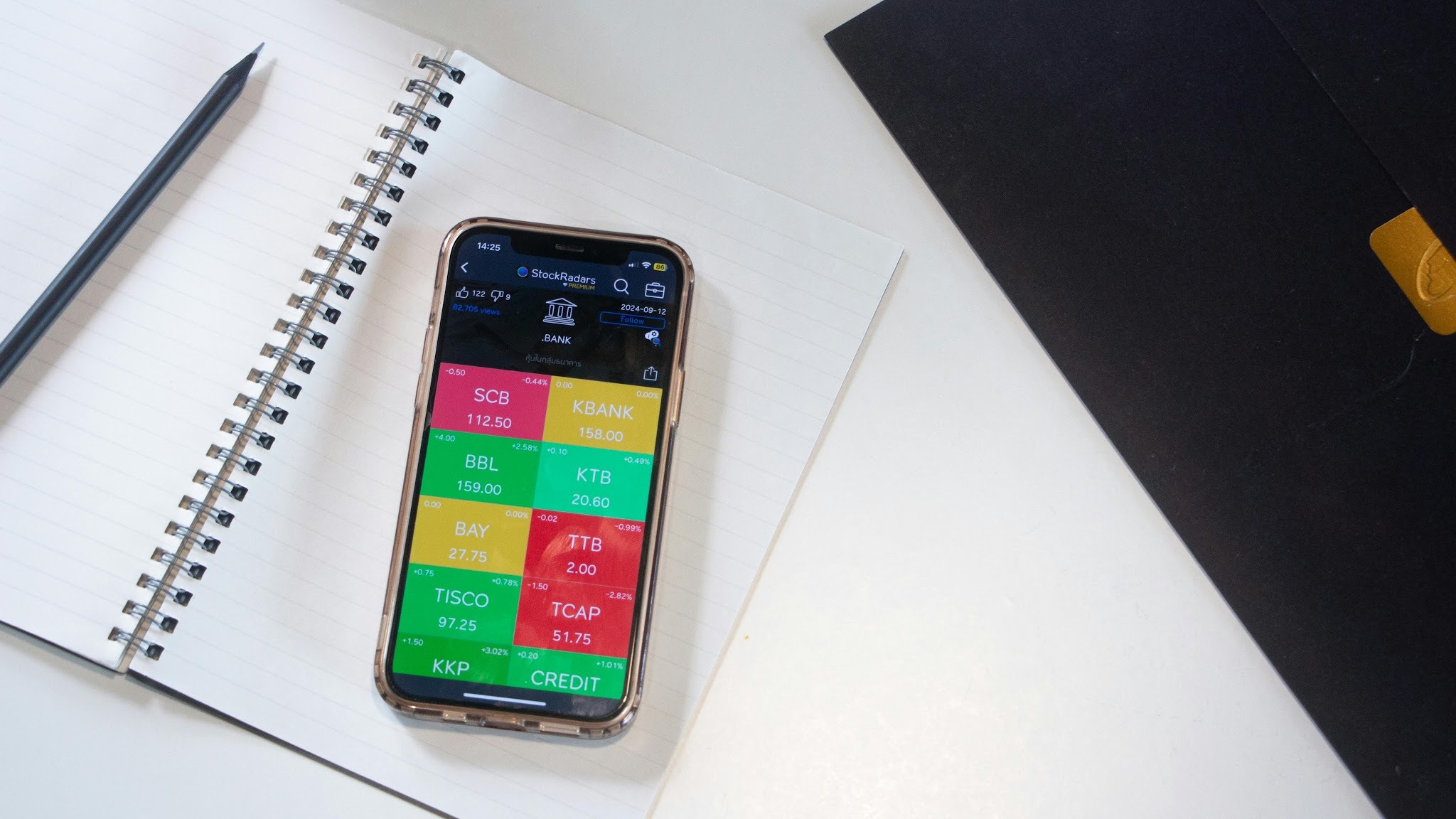
Photo by StockRadars Co., on Pexels
The new habit: opening your banking app becomes a reflex
It’s become so routine that many of us hardly notice: we reach for our phones and open the banking app without a second thought.
Sometimes it’s just part of the morning routine, sandwiched between scrolling the news and checking the weather. Other times, it’s a quick glance before buying groceries or during a lull at work—almost like we’re looking for reassurance that everything’s still okay.
We’re not always waiting for a big deposit or a major bill. More often, it’s the tiny updates that pull us in: did a refund finally go through, has a friend paid us back, or has our paycheck landed?
Each check gives us a momentary sense of control, solving a small worry in a few seconds. But then the cycle starts again—the next doubt, the next refresh, the next tiny wave of relief. With more than half of bank customers now relying on mobile apps for their everyday finances, this rhythm is practically built into daily life.
This compulsive checking isn’t limited to traditional banks, either. The same urge shows up when people use digital wallets or refresh crypto betting sites over and over to see a result or confirm a balance.
What ties all these behaviors together is that craving for control, whether it’s logical or not. For some, it’s about responsibility and staying informed; for others, it’s a way to manage anxiety or feel on top of things. Either way, the habit is here—and it’s hard to imagine life without it.
Always watching, never resting: what constant financial attention changes
That craving for control turns into something else when your bank balance is only a tap away. Suddenly, it’s not just about staying on top of things—it’s about catching every tiny change, every odd charge, every dip or spike.
At first, this feels empowering. You spot mistakes sooner, you know where your money’s going, and you’re rarely caught off guard by an unexpected bill. Some people even notice charges down to the cent, and take pride in their vigilance.
But this kind of constant monitoring can quickly become exhausting. The brain never gets a break from thinking about money—not during your morning coffee, not while you’re out with friends, not before bed. Even a small overdraft or pending payment can loom large, replaying in your mind long after you’ve seen it.
Instead of reassuring you, this habit can slowly wear you down. The line between being informed and being anxious gets blurry. It’s easy to feel like you’re failing at “money management” if you miss something, even if it’s tiny.
The sheer number of people living this way is striking. According to the American Bankers Association survey 2024, more than half of U.S. customers now manage their accounts primarily through mobile apps. That means millions are living in this state of constant financial awareness—sometimes at the expense of peace of mind.
When more information means less calm
It’s easy to think that having every detail about your money, right there on your phone, should calm your nerves. But, in practice, the constant flow of updates can do just the opposite.
You notice every pending payment and every slight dip in your balance—even if nothing’s actually wrong. Each alert or notification becomes a new reason to check, making it hard to just let your finances be.
Banking and budgeting apps often encourage you to return, nudging you to check in again and again. Even tools designed to help with spending or stress can leave you feeling more aware of what’s wrong than what’s working.
It’s not only about banking. Many people try using mental health or budgeting apps to calm their worries, but research shows these apps don’t always deliver real relief. The result is more information, but fewer true moments of peace.
When I tried to regain control with the Emma app, for example, I realized that control always felt just out of reach. As described in this Emma app review, the triggers behind emotional spending stuck around, no matter how often I checked.
Escaping the vigilance trap: pulling back from compulsive checking
After a while, it’s hard to ignore the toll that constant checking takes on your peace of mind. You know you’re supposed to be in control, but sometimes the endless monitoring feels like it’s doing the opposite—adding stress instead of taking it away.
For some, checking a banking app becomes a kind of self-surveillance. It’s less about catching fraud or budgeting smarter, and more about soothing a worry that never quite goes away. This can start to look like financial doomscrolling, where each refresh offers only a few seconds of relief before the urge returns.
The trick is learning to trust your own routines. If you’ve paid the bill and set your savings transfer, do you really need to check again in an hour? Or is the urge just a way to quiet that background anxiety? There’s a difference between being responsible and being restless, and it helps to notice when you’re crossing that line.
More data doesn’t always equal more control. Sometimes, the healthiest thing you can do is let yourself step back, even if it feels a little uncomfortable at first. That gap—where you don’t know every transaction in real time—can actually make space for calm to return.
I’ve seen this firsthand with experiences like Matched betting impact, where chasing every last detail ended up draining me more than any real financial risk. The lesson is simple, but not easy: sometimes, you only regain balance by letting yourself stop watching so closely.
Rethinking money mindfulness in the age of the banking app
After all that constant monitoring, it’s easy to forget that banking apps were meant to give us freedom, not more reasons to worry.
With so many of us turning to our phones for every update, we rarely pause to notice how this habit shapes our mood or mindset.
Just because we can check every little detail doesn’t mean we always should. Sometimes, the healthiest move is to let a notification wait—or even to skip checking entirely for a while.
Money mindfulness now means knowing when to step back. True financial wellbeing is about balance, not endless vigilance. Giving yourself permission to pause might just be the calmest move you can make.