
Watching a parent grow older brings a quiet worry. You want them to keep the independence they value, yet you also want to know they are safe when you are not there. Those two wishes can feel like they pull in opposite directions.
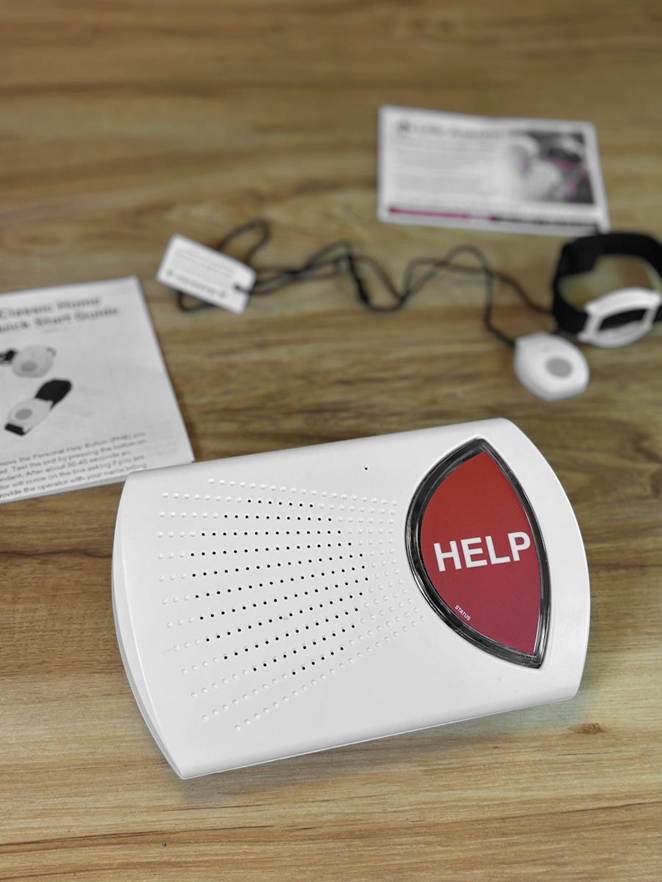
Image courtesy of Life Assure
The good news is that they do not have to. With a few sensible steps, including Life Assure products that summon help at the push of a button, a parent can stay in their own home with confidence. This guide walks through how to balance safety and independence with care.
Why Does Independence Matter So Much?
Independence is closely tied to wellbeing in later life. Staying in a familiar home, keeping routines, and making your own choices all support mental and physical health.
Taking that away too soon can do real harm. A parent who feels watched or managed often becomes withdrawn and low. The aim is to add a safety net, not to take over.
So the goal is gentle support. Small, respectful changes let a parent stay in control while quietly reducing the risks around them.
What Are the Biggest Risks at Home?
A handful of hazards account for most problems. Knowing them helps you focus your effort where it counts.
Falls are by far the biggest concern. The World Health Organization notes that falls are the second leading cause of unintentional injury deaths worldwide, and older adults are most at risk. A fall can quickly turn a healthy, independent life into a frightening one.
Other risks matter too, from medication mix-ups to slow responses in an emergency. The NHS guidance on preventing falls is a useful starting point, since reducing falls removes the single largest danger at a stroke.
How Common Are Falls?
The numbers are sobering. Around 1 in 3 adults over 65 fall at least once a year, and the rate climbs with age.
The consequences go beyond the injury itself. Many older people who fall develop a fear of falling again, which makes them less active and, ironically, more frail. Breaking that cycle is one of the best things a family can do.
How Can You Make a Home Safer?
Most safety wins are small and low-cost. A weekend of simple changes can make a real difference.
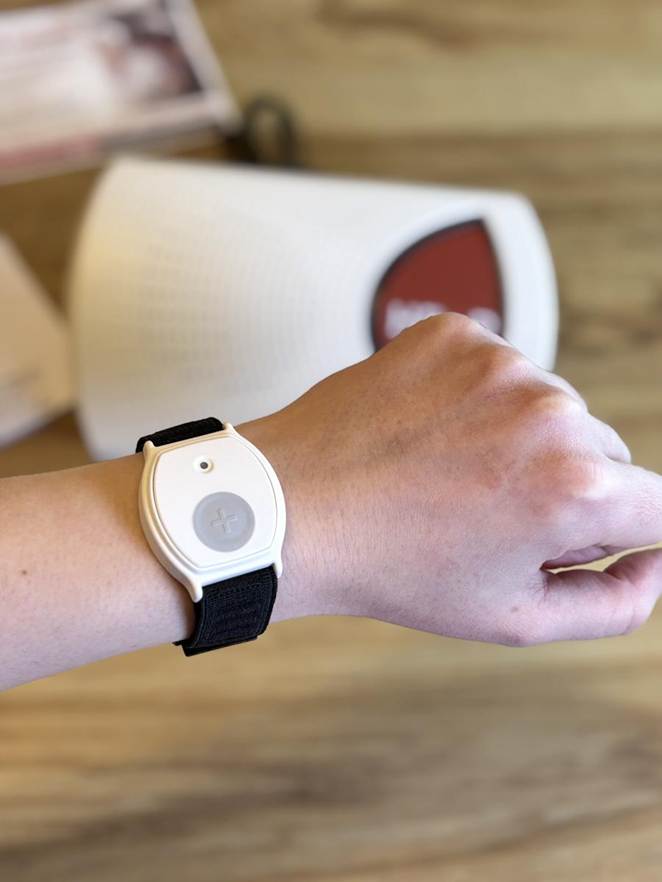
Image courtesy of Life Assure
Clear the floors. Remove loose rugs, cables, and clutter.
- Improve lighting. Add brighter bulbs and night lights on landings.
- Fit grab rails. Place them by stairs, the bath, and the toilet.
- Sort the medication. Use a labelled weekly pill organiser.
- Add an alarm. Give them a way to call for help fast.
Tackle one room at a time so it never feels overwhelming. Involving your parent in each choice keeps them firmly in charge.
Where Do Medical Alert Systems Fit In?
A medical alert system is a wearable device that lets the user call for help at the touch of a button, often with 24/7 monitoring. It is the safety net that covers the moments you cannot.
Fall detection is a feature that automatically raises an alert if it senses a fall, even when the wearer cannot press the button. Combined with two-way voice communication, it means help is reachable within seconds. The table below shows what to look for.
| Feature | Why it matters |
| 24/7 monitoring | Help is always reachable |
| Fall detection | Works even if they cannot press it |
| Two-way voice | They can speak to a responder |
| Water resistance | Safe to wear in the bathroom |
| Long battery life | Less to remember and recharge |
For many families, this is the step that finally brings peace of mind. It lets a parent stay home while everyone sleeps easier.
How Do You Talk to a Parent About It?
The conversation matters as much as the kit. Lead with their independence, not your worry, and the idea lands far better.
Frame it as something that keeps them in their home for longer, which is usually what they want most. The same care you put into protecting your family applies here. Money is part of it too, and budgeting ahead for supporting elderly parents means the right help is there when it is needed.
Go at their pace and let them keep the final say. A choice they make themselves is one they will actually stick with.
What to Remember
- Independence supports wellbeing, so protect it where you can.
- Falls are the biggest home risk for older adults.
- Around 1 in 3 over-65s fall each year, and fear of falling makes it worse.
- Small changes to floors, lighting, and rails cut the danger fast.
- A medical alert system covers the emergencies you cannot.
- Lead the conversation with independence, not worry.
Safe, Independent, and at Home
Helping a parent age well is rarely about one big decision. It is a series of small, respectful steps that quietly remove risk while leaving them in charge of their own life. Make the home safer, add a reliable way to call for help, and have the conversation with kindness. Do that, and you give your parent the thing they want most: more good years, safely, in the home they love.
Frequently Asked Questions
How Do I Know if My Parent Needs a Medical Alert System?
Consider one if your parent lives alone, has had a fall or near-miss, takes several medications, or has a condition that could cause a sudden emergency. Even without these, many older people value the reassurance. The key sign is your own worry about them being unable to call for help.
Will a Medical Alert System Make My Parent Feel Less Independent?
Usually the opposite. A discreet device that summons help actually supports independence, because it lets a parent stay in their own home rather than move into care sooner. Framing it that way, as a tool for staying independent, helps a hesitant parent accept it more readily.
What Features Matter Most In a Medical Alert Device?
Prioritise 24/7 monitoring, fall detection, two-way voice communication, water resistance for bathroom use, and a long battery life. The right mix depends on your parent’s lifestyle and health, so match the features to their real daily routine rather than paying for extras they will never use.
How Can I Make My Parent’s Home Safer Without Spending a Fortune?
Start with free or low-cost steps: clear clutter and loose rugs, improve lighting, and rearrange everyday items to within easy reach. Then add inexpensive grab rails and a medication organiser. These simple changes remove the most common hazards and make a noticeable difference for very little money.


4 Responses
I like that the game focuses on fun instead of trying to be a complicated football simulator. It’s easy to pick up and enjoy.
“This is a really insightful article. Balancing independence with safety is so important for aging parents, and the practical tips like fall prevention and discrete alert systems are super helpful. Thanks for sharing!”
This article really hits home – addiction’s financial impact is something families need to size up carefully before it spirals out of control. I’ve seen firsthand how missed payments and job loss can create a domino effect that’s hard to stop. Maybe setting up automatic bill payments could help prevent some of those financial slip-ups when things get tough.
This article really hits hom g