
The average British household now carries between nine and fourteen recurring digital subscriptions on top of utilities, mortgage or rent, and council tax. Most of those subscriptions are under ten pounds a month individually, which is why they slip through the budget without much friction. Add them up and the typical family is spending eighty to one hundred and twenty pounds a month on services they signed up for in different moods, often years apart, and have never properly reviewed.
A subscription audit, the once-a-quarter exercise of opening every direct debit and standing order against an actual list of services used, is one of the highest-yield budgeting habits a family can build. It does not require a spreadsheet. It does not require new apps. It just requires an hour with a cup of tea and a willingness to admit which services have quietly become wallpaper.
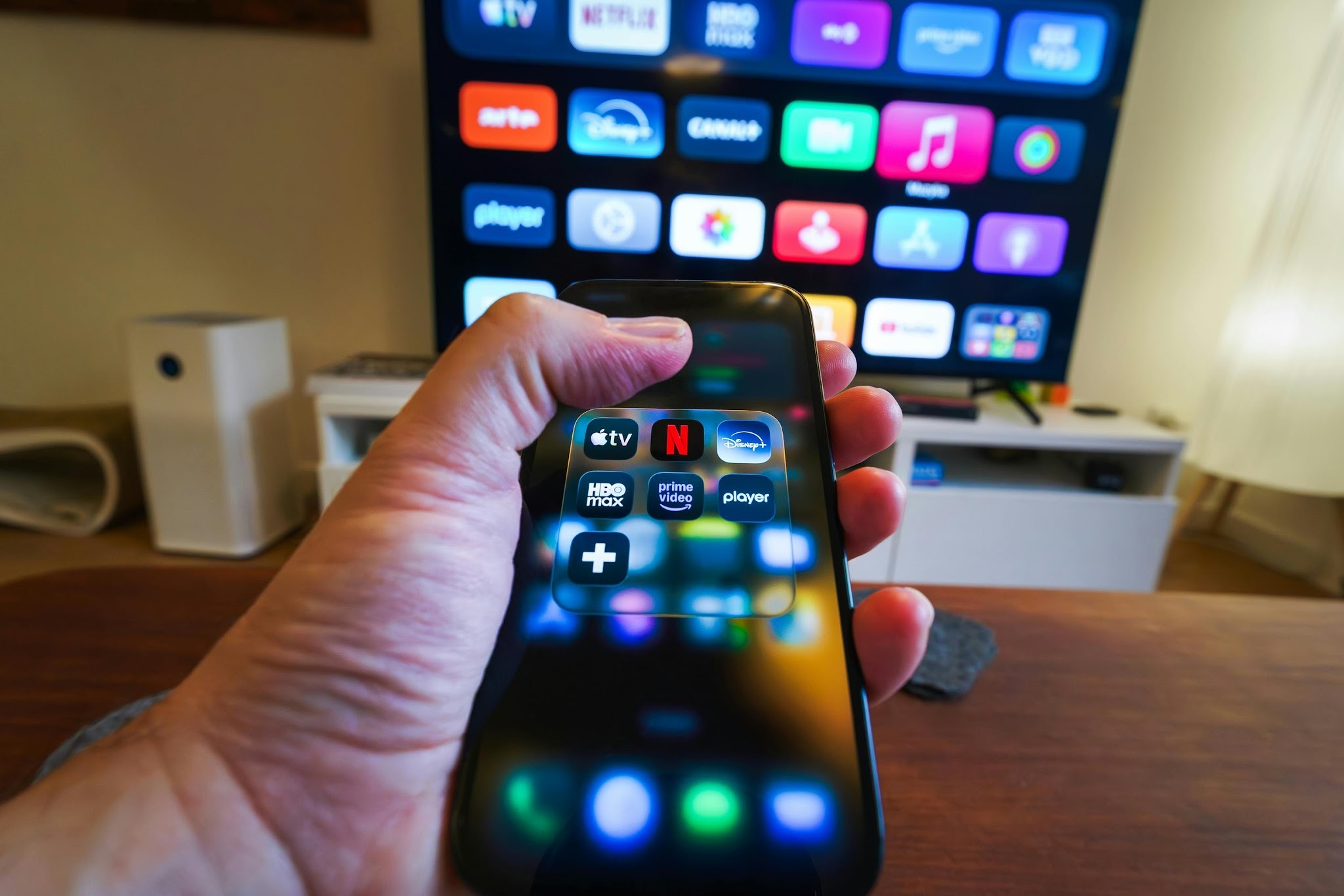
Photo by Jakub Zerdzicki on Pexels
The Category Where the Forgotten Money Lives
The audit usually surfaces forgotten spend in the same place for most households: the loose category of premium dating apps, casual-chat platforms, niche game subscriptions, and specialist hobby memberships. These are the impulse signups, the curiosity tiers, the products people feel slightly sheepish about, which is exactly why they tend to renew silently for years.
A premium dating subscription that cost six pounds in 2023 might be twelve pounds today. A specialist chat platform marketed as more natural than most video chat with girls sites might run twenty pounds a month for the version with no ads. A niche game subscription might have moved from a flat annual fee to a tiered monthly model that costs more over a year. None of these are huge individual sums. Stacked together they are a meaningful slice of discretionary spend, and most households underestimate how much they have grown. This site’s beginners guide to budgeting covers the basic snapshot that makes the slow creep visible.
The Six Subscription Categories Most Households Carry
A typical UK family in 2026 carries subscriptions across six broad categories. Video streaming (Netflix, Disney+, Prime Video, NOW, Apple TV+) accounts for the largest share of total spend, often three or four services running simultaneously. Music streaming (Spotify, Apple Music, YouTube Premium) sits second. Cloud storage (iCloud, Google One, Dropbox) is third, and the unit price is small but the line is durable. Gym, fitness, or wellness apps (Peloton, Strava Premium, Calm, MyFitnessPal Premium) make up the fourth. Productivity or creative tools (Microsoft 365, Adobe, Notion, Grammarly) form the fifth. The sixth is the variable one covered above, where most of the forgotten money hides.
Mapping the household’s actual spend against these six headings is the cleanest way to see the overall picture. Most families discover their stack is heavier on category one (video) and lighter on category three (cloud) than they had assumed.
Where the Money Actually Goes
Running a real audit usually surfaces three patterns. The first is that the household has at least one service nobody has used in three months. The second is that two or three services overlap meaningfully (two video streamers with similar libraries, two music apps where one person uses one and the other person uses the other). The third is that the per-service price has crept up since signup, often by a third or more across a 24-month window.
The price creep is the part most households underestimate, because individual increases of one or two pounds rarely trigger a re-evaluation in the moment, but compound steadily across a stack of nine to fourteen lines.
What Households Are Cutting and Keeping
The 2025 to 2026 cost-of-living window has produced a fairly consistent pattern across UK household-budget surveys. Households are keeping their primary video-streaming service (usually Netflix or Disney+), their music-streaming service, and one cloud-storage tier. They are cutting secondary video streamers, fitness apps they have not opened in two months, and creative tools they signed up for during a one-off project and never returned to.
The sixth category sees the most aggressive trimming. Dating apps in particular tend to get cancelled when the user is in a relationship and forgotten when they are not. Chat and casual social platforms tend to get cancelled after a quiet stretch and re-subscribed when curiosity returns. Specialist hobby memberships often hold up better than expected because the people who buy them are usually serious about the hobby.
This site’s cost of living content hub has tracked the same patterns across two years of household-budget posts, and the take-home is broadly that households are getting better at distinguishing high-utility recurring spend from low-utility recurring spend. The trick is the regular review.
How to Run a Subscription Audit in an Hour
The audit itself is straightforward. Open the most recent month of statements from every account that carries direct debits, standing orders, or recurring card payments. List every recurring charge, including the trial subscriptions that became paid ones without anyone noticing. Cross-check against a simple “who actually uses this” column.
For each line item, mark it Keep, Trim, or Cancel. Keep means the household uses the service weekly. Trim means the household uses it but could drop to a cheaper tier or share a family plan. Cancel means the service is wallpaper. Most audits end up with two to four Cancel rows, one or two Trim rows, and the rest Keep. The dropped spend usually adds up to twenty to forty pounds a month, which is a meaningful number against a typical UK household budget. The single most useful follow-up step is calendaring the next audit. Quarterly works for most households.
A Closing Read
Subscription spend has become one of the quietest parts of UK household finance and one of the easiest to bring back under control. The categories have stabilised, the audit process is well understood, and the results of even one round of trimming are visible inside a single billing cycle. For families looking to recover an extra forty pounds a month without changing their lifestyle, the subscription stack is almost always the first place to look. The habit holds up once it is in place, and the household barely notices the missing services after the first month.


