
Recent research has highlighted that convenience has become a core value for consumers. Indeed, one study found that over 86% of global consumers value convenience over everything else when they are making purchasing decisions. Another found that 42% prefer convenience over price, and over 60% of consumers in the US are willing to pay more for convenience.
In the UK, convenience has become so central to the consumer experience that one report forecasts that demand in the convenience retail sector will continue to be high in 2026, with more operators embracing hybrid models that blend traditional convenience with a more personalized on-the-go experience, with an expected shift towards targeting consumers through up-and-coming technologies.
With this in mind, let’s take a look at how this affects the shopping experience.
How Personalisation Works
Personalization is sometimes presumed to be quite an investment for businesses, but the technique can easily be scaled up or down depending on the needs and budget of a specific business. Whilst some personalization techniques certainly need investment in particular technologies, others can be a bit more accessible.
For example, any business can implement personalized offers, such as for new or existing customers. This can be seen a lot in entertainment settings, with platforms like those allowing users to play real money casino games giving new customers free spins or another bonus with their first deposit, and additional offers for returning customers like weekly giveaways, prize draws, and more.
This gives players the convenience of efficiency, letting them try out more games with the additional spins. Here, businesses will need to verify whether the user is a new or existing customer, and the way offers are presented to consumers can be as digital or analogue as needed.
Taking this concept a bit further, brands can collect data from customers when they first sign up. In addition to verifying their status for these offers, this can give brands useful insight into individual consumer needs.
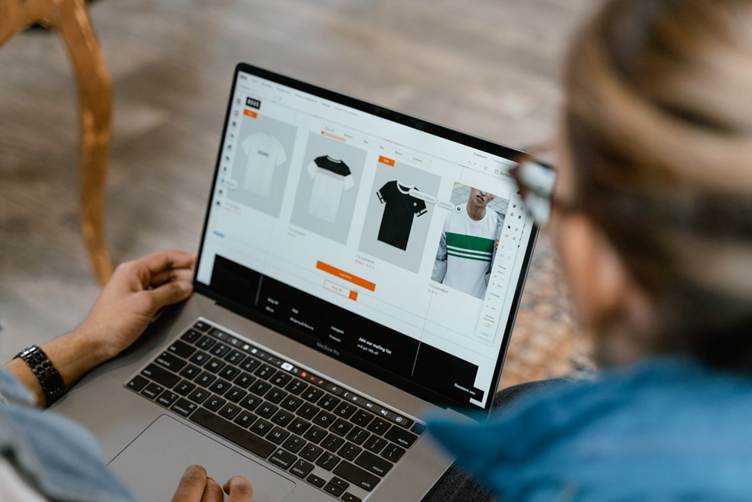
Using specific algorithms, such data can be leveraged to automatically provide consumers with recommendations and adverts that are more relevant to them, either as on-page graphics, pop-ups, or even emails. This helps consumers to get everything they want in one transaction, without having to search for everything, making the experience more convenient.
Source: Pexels
Up-and-Coming Technologies
One way brands are utilizing innovative technologies is by combining artificial intelligence (AI) and augmented reality (AR) to provide consumers with a way to ‘try out’ products without having to go to a bricks-and-mortar store. In particular, this is most commonly implemented in markets like clothes and homeware retail. In fact, the global market for virtual fitting rooms is expected to reach $18.9 billion by 2030, growing at a compound annual growth rate of 19.3% since 2024.
For example, if a consumer is looking to try on some clothes but cannot make it to their nearest mall, virtual fitting rooms allow them to see what the garment would look like on their body even when shopping online.
Similarly, if a consumer is looking to decorate their home, they can virtually place the item into a digital photo or live camera feed of their home to see how it might look. This maximises efficiency and reduces costs associated with commuting, parking, returning unwanted items, and so on.
As you can see, prioritizing convenience through personalization and technologies allows consumers to take advantage of better offers, increased efficiency, and reduced overall costs.




One Response
This blog raises intriguing points about the balance between convenience and consumer spending.